TMJ Physiotherapy & Treatment on the Sunshine Coast
Physiotherapy for Jaw Pain, TMJ Dysfunction and Restricted Jaw Movement
Jaw pain, stiffness, clicking and difficulty opening your mouth can make everyday activities such as eating, speaking and yawning uncomfortable.
These symptoms may be associated with temporomandibular disorders (TMD), a group of conditions affecting the jaw joints and the muscles responsible for controlling jaw movement.
At Excelsius Wellness in Forest Glen, our Senior Physiotherapist, Paulo Silva, provides assessment and physiotherapy treatment for people experiencing jaw pain and temporomandibular joint dysfunction.
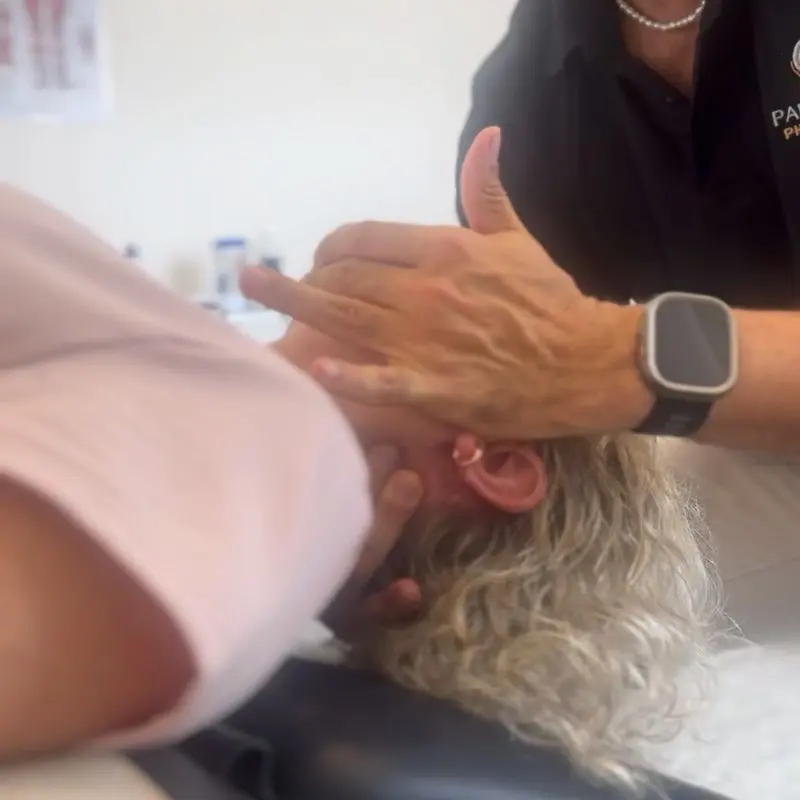
Treatment may incorporate hands-on manual therapy, jaw joint mobilisation, targeted exercises and individualised rehabilitation, depending on your symptoms and assessment findings.
If you’re experiencing persistent jaw discomfort or restricted movement, an individual physiotherapy assessment can help determine whether physiotherapy is an appropriate management option.
What Is Temporomandibular Joint Dysfunction (TMD)?
The temporomandibular joints (TMJs) connect your lower jaw (mandible) to your skull. Located on either side of your face, just in front of your ears, these joints allow the movements required for chewing, speaking and opening and closing your mouth.
Temporomandibular disorders (TMD) describe a group of conditions involving the jaw joints, the muscles responsible for chewing, or both.
Although TMJ and TMD are often used interchangeably, they have different meanings:
TMJ: The temporomandibular joint itself.
TMD: Conditions affecting the temporomandibular joints and associated muscles.
TMD can present in different ways, and symptoms vary depending on the structures involved.
Common Symptoms of TMJ Dysfunction
Symptoms associated with temporomandibular disorders can include:
Jaw pain or tenderness around the joint.
Facial discomfort or tenderness in the chewing muscles.
Clicking or popping sounds during jaw movement, particularly when accompanied by pain.
Restricted or uncomfortable jaw movement.
Difficulty opening the mouth fully.
Jaw locking or episodes of restricted movement.
Discomfort when chewing or speaking.
Associated discomfort around the temples, face or neck.
Not every jaw click indicates a disorder. Painless clicking and popping sounds are common and generally do not require treatment on their own.
If jaw symptoms are painful, persistent or affecting everyday activities, an appropriate assessment may help identify possible contributing factors.
What Causes TMJ Pain?
There is no single cause of temporomandibular disorders. Research indicates that TMD can involve a combination of biological, psychological and behavioural factors.
Potential contributing factors include:
Jaw clenching and muscle activity
Habitual jaw clenching and other repetitive behaviours may contribute to increased loading of the jaw muscles and associated discomfort in some individuals.
Previous injury or trauma
An injury involving the jaw or surrounding structures may contribute to the development of symptoms.
Muscle and joint-related problems
Some TMD presentations primarily involve the chewing muscles, while others involve the joint itself or the structures within it.
Psychological and behavioural factors
Stress, sleep disturbances and other psychosocial factors can be associated with persistent pain and may influence how symptoms are experienced.
Other musculoskeletal pain
Some people experiencing TMD also report headaches, facial discomfort or neck pain.
Because TMD has several possible presentations, understanding the nature of your symptoms is an important part of determining appropriate management.
How Can Physiotherapy Help With TMJ Dysfunction?
Physiotherapy is a recognised conservative treatment option for certain types of temporomandibular disorders, particularly those involving persistent musculoskeletal jaw pain.
A 2023 clinical practice guideline published in the British Medical Journal (BMJ) examined the effectiveness of different treatments for chronic pain associated with TMD.
The guideline made strong recommendations in favour of several conservative interventions, including therapist-assisted jaw mobilisation, manual trigger point therapy, supervised jaw exercises and stretching, and supervised postural exercises.
Depending on your symptoms and assessment findings, physiotherapy treatment with Paulo Silva may incorporate several of these approaches.
1. Jaw and Joint Mobilisation
Jaw mobilisation involves controlled manual techniques performed by a trained practitioner to address movement limitations and support jaw function.
The 2023 BMJ clinical practice guideline strongly recommended therapist-assisted mobilisation for people with chronic TMD-associated pain.
Where clinically appropriate, Paulo may incorporate jaw mobilisation techniques into your individual treatment plan.
2. Manual Therapy and Muscle Treatment
The muscles responsible for chewing play an important role in controlling jaw movement.
In some presentations of TMD, muscle tenderness and discomfort are prominent symptoms.
Manual therapy may involve hands-on techniques directed at relevant muscles and surrounding structures.
The BMJ guideline also identified manual trigger point therapy as an intervention supported by evidence for chronic TMD-associated pain.
The techniques selected will depend on your symptoms, examination findings and treatment goals.
3. Individualised Jaw Exercises
Exercise-based rehabilitation is an important component of conservative management for some people experiencing TMD.
Depending on your assessment, exercises may focus on:
Controlled jaw opening and closing.
Jaw movement coordination.
Comfortable movement through an appropriate range.
Jaw muscle control.
Gradual restoration of functional movement.
The BMJ clinical practice guideline strongly recommended supervised jaw exercises and stretching for people with chronic TMD-associated pain.
Exercises are selected and progressed according to individual needs rather than following a generic programme.
4. Neck and Postural Rehabilitation
The head, neck and jaw work together during many everyday movements.
Some individuals with TMD also experience neck discomfort or other associated musculoskeletal symptoms.
Where appropriate, physiotherapy may incorporate exercises addressing neck movement and postural control.
Supervised postural exercises were included among the interventions strongly recommended by the 2023 BMJ guideline for chronic TMD-related pain.
This does not mean that poor posture is necessarily the cause of jaw pain. Rather, neck and postural rehabilitation may be relevant components of a broader treatment plan for selected individuals.
5. Education and Self-Management
Understanding your symptoms and recognising potentially aggravating activities can be an important part of managing TMD.
Depending on your circumstances, self-management strategies may include:
Developing awareness of habitual jaw clenching.
Temporarily modifying activities that aggravate symptoms.
Understanding comfortable jaw movement.
Following an appropriate home exercise programme.
Learning strategies to manage jaw loading throughout the day.
Education and self-management are important components of conservative TMD care.
The objective is to help you understand your symptoms and develop practical strategies to support your ongoing management.
Evidence-Informed TMJ Treatment
There is an increasing body of clinical research examining conservative treatment options for temporomandibular disorders.
One particularly relevant publication is the 2023 BMJ clinical practice guideline, Management of chronic pain associated with temporomandibular disorders.
The guideline was developed using a systematic review of clinical trials and the GRADE approach to assess the certainty of available evidence.
It examined treatments for people experiencing chronic TMD-associated pain, defined as pain lasting at least three months.
The guideline made strong recommendations in favour of:
Therapist-assisted jaw mobilisation.
Manual trigger point therapy.
Supervised jaw exercises and stretching.
Supervised postural exercises.
Education and usual conservative care.
The accompanying systematic review examined 153 randomised controlled trials involving 8,713 participants.
These findings support selected conservative interventions for chronic TMD-associated pain. They do not establish that every treatment is appropriate for every type of jaw disorder or guarantee a particular outcome.
At Excelsius Wellness, treatment recommendations are based on individual assessment findings, symptoms and functional goals.
Frequently Asked Questions About TMJ Physiotherapy
Physiotherapy may help manage certain types of temporomandibular disorders, particularly those involving musculoskeletal jaw pain and movement limitations.
Clinical guidelines support selected interventions, including jaw mobilisation, manual therapy and supervised exercises, for people experiencing chronic TMD-associated pain.
The appropriate approach depends on the individual’s symptoms and assessment findings.
An assessment may include discussing your symptoms and medical history, examining jaw movement, assessing relevant muscle tenderness and identifying functional limitations.
Your physiotherapist will use these findings to determine whether physiotherapy is appropriate and discuss potential management options.
Some people experiencing TMD also report headaches, particularly around the temples.
However, headaches have several possible causes, and not every headache is associated with a temporomandibular disorder.
An appropriate assessment can help determine whether there may be a musculoskeletal component to your symptoms.
The number of appointments varies depending on the nature and duration of your symptoms, assessment findings and individual treatment goals.
Your physiotherapist can discuss an appropriate management plan following your initial assessment.
A GP referral is generally not required to book a standard private physiotherapy appointment in Australia.
If your symptoms suggest a dental or other medical condition, assessment by an appropriate healthcare professional may also be recommended.
Painless jaw clicking is common and generally does not require treatment on its own.
If clicking is accompanied by pain, locking or restricted jaw movement, an appropriate assessment may help determine whether further management is warranted.
Book a Physiotherapy Appointment at Excelsius Wellness
If you’re experiencing jaw pain, restricted movement or symptoms that may be associated with temporomandibular dysfunction, an individual physiotherapy assessment may help clarify your options.
At Excelsius Wellness, Forest Glen, Senior Physiotherapist Paulo Silva provides assessment and physiotherapy treatment for jaw-related musculoskeletal concerns.
Visit us at:
Excelsius Wellness
Unit 24, 57 Owen Creek Road
Forest Glen QLD 4556
Phone: (07) 5406 1941